The Knitter’s Notions · Vol. I · Lovely things for people who knit

Knitting guide

How to block knitting

Blocking is the wash-and-shape stage that helps knitted fabric settle, even out and reach its intended dimensions. The exact method depends on the yarn, so the ball-band care instructions come first.

Before water or steam touches the knitting: check the yarn care label. Fibre, dye and construction matter. If you are unsure, test the method on your gauge swatch first.
MethodUseful forBasic idea
Wet blockingMost washable hand knits, especially woolSoak, gently remove water, shape and dry flat.
Spray blockingLight reshaping or pieces you do not want fully soakedPin or shape, dampen evenly, then let dry.
Steam blockingSome fibres and projects where steam is appropriateHover steam above the fabric; do not press the iron onto the knitting.

Wet blocking — the usual starting point

Fill a basin with water at a temperature suitable for the yarn and add a small amount of gentle wool wash if appropriate. Let the knitting become fully saturated without rubbing or agitating it.

Lift it out while supporting the weight of the wet fabric. Gently press out water — do not wring or twist — then roll it in a clean towel and press again to remove more moisture.

Lay the damp knitting flat, ease it to the measurements or shape you want, and leave it until completely dry. Pins, mats or wires are useful when edges or lace need more control.

Spray blocking

Arrange the knitting on a clean towel or blocking mat, shape or pin it, then mist it evenly until damp. Leave it in place until completely dry.

It is less of a full wash than wet blocking and can be useful when a piece only needs light reshaping.

Steam blocking

Steam can relax and shape some knitted fabrics, but heat-sensitive fibres need particular care. Keep the iron above the fabric rather than pressing the soleplate onto the knitting.

If the yarn manufacturer advises against heat, do not improvise. Acrylic in particular can be permanently changed by too much heat.

Do I need blocking mats, pins or wires?

Not always. A clean towel on a flat surface can be enough for a simple jumper that only needs smoothing into shape. Mats become useful when you need somewhere to pin into, while wires make long straight edges and lace considerably less fiddly.

Socks can be dried on dedicated blockers for a neat display shape, but they are not a requirement for making wearable socks.

Useful blocking kit

The tools that make the faff smaller

You do not need all of these. They solve different finishing jobs, so pick the ones that match what you actually knit.

Soak no-rinse laundry wash — 375ml
Finishing & care

Soak no-rinse laundry wash — 375ml

A concentrated no-rinse wash for hand knits and other delicates, suitable for wool, cashmere, silk and everyday fabrics.

Why it helps

Useful for the final wash before blocking and for looking after finished knits afterwards — with no extra rinse stage when a wet jumper already weighs approximately a small Labrador.

Around £20View→Ad
Mardili blocking mats for knitting — 9 pack
Blocking & finishing

Mardili blocking mats for knitting — 9 pack

A nine-pack of extra-thick blocking boards with grids, 100 T-pins and a cork holder for the pins.

Why it helps

A full blocking setup in one box: useful for shaping finished knitting neatly and keeping measurements consistent while it dries.

Around £30View→Ad
APWJPQ blocking pins — 20 pieces
Blocking & finishing

APWJPQ blocking pins — 20 pieces

A set of 20 comb-style blocking pins for holding larger sections of knitting evenly in place while it dries.

Why it helps

These do a different job from ordinary T-pins: each comb holds a wider section at once, which makes straight edges and larger pieces quicker to pin out neatly.

Around £15View→Ad
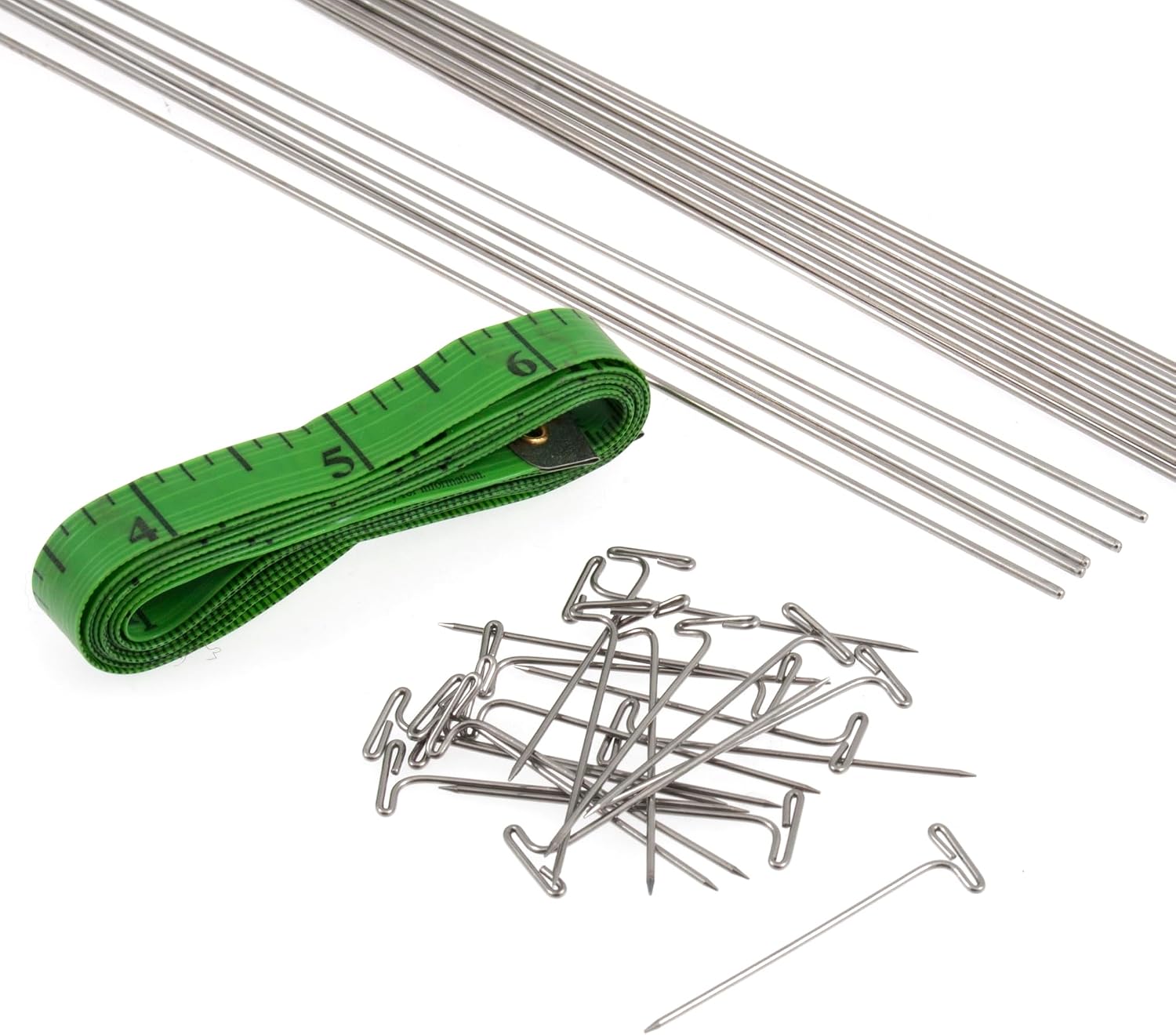
KnitPro lace blocking wires — set of 8
Blocking & finishing

KnitPro lace blocking wires — set of 8

Eight stainless-steel blocking wires, each about a metre long, for pinning out long straight edges, lace and shaped sections more evenly.

Why it helps

A genuinely different tool from blocking pins: thread the wire through an edge and you can straighten a whole section without placing a pin every few centimetres.

Around £25View→Ad
OXO Good Grips folding sweater drying rack
Finishing & care

OXO Good Grips folding sweater drying rack

A folding mesh drying rack that supports jumpers and other knits flat, with fold-in legs and a frame that folds for storage.

Why it helps

It lets air circulate around a wet knit without sacrificing every clean towel and every horizontal surface in the house.

Around £30View→Ad
IRSTBL sock blockers & drying rack set — 3 pairs
Sock blocking

IRSTBL sock blockers & drying rack set — 3 pairs

Three pairs of stainless-steel sock blockers in small, medium and large sizes, designed for shaping and drying hand-knitted socks.

Why it helps

A different job from flat blocking mats: these give hand-knitted socks their finished shape while they dry and cover three common sizes in one set.

Around £20View→Ad

Blocking method guidance checked against current hand-knitting care and blocking instructions from established knitting publishers. Yarn-manufacturer care instructions take priority.